Google + AI Tools - What’s New, What Changed, and How to Use It Today
How Designers Are Using AI as a Real Production Engine in 2026. Artificial intelligence continues to reshape how designers, video creators, and digital entrepreneurs work. The newest updates are not just incremental improvements, they represent a shift toward AI becoming a dependable production engine that supports real business workflows. If you create graphics, video, digital products, or branded content, today’s updates directly impact how fast you can move from idea to publish.
Let’s break down what’s new, why it matters, and how you can put it to work today.
🎥 1. Google Expands AI Video Creation with Veo 3.1 and Flow
Google continues strengthening its AI video ecosystem with improvements to Veo 3.1 and the rollout of Flow inside Workspace environments.
Recent upgrades include:
Veo 3.1 Gets Native Vertical Video Support with Enhanced Features
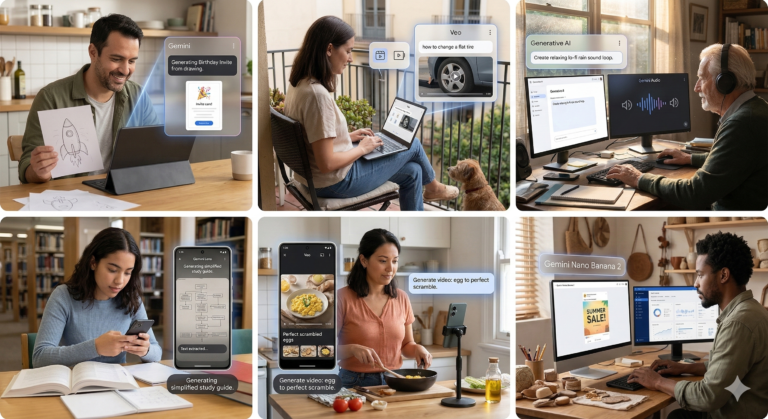
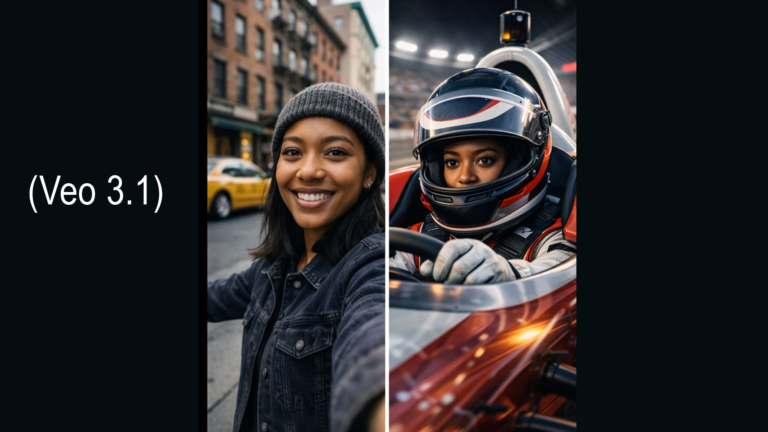
Google’s latest Veo model update (Veo 3.1) officially rolled out enhanced video generation that supports native 9:16 vertical video, improved coherence across scenes and characters, and higher quality upscaling — all without needing external editing tools. These updates are live in the Veo interface and integrated into Google’s creative platforms like YouTube Create and the Gemini app.
- Improved motion consistency and character stability when generating video from multiple reference images
• Direct integration inside Workspace apps, allowing teams to generate and refine video without leaving their workflow
• AI generated audio that syncs naturally with visual scenes
Why it matters: This makes generating mobile-ready social clips much faster with fewer manual steps, directly catering to short video formats designers and creators produce most. Vertical video output (9:16), making content ready for Reels, Shorts, and TikTok without manual cropping. Designers and creators can now move faster from static assets to dynamic video content while maintaining visual quality and brand consistency. This dramatically reduces editing time and removes friction in publishing workflows.
Nano Banana Pro Surpasses One Billion Image Creations
Google’s image generation model Nano Banana Pro has now surpassed one billion image generations and edits, showing strong adoption across creative workflows.
This model continues delivering:
- High quality image rendering
• Consistent lighting and composition
• Improved safety and brand friendly output
• Faster ideation and mockup creation
Why it matters:
Designers can confidently use AI generated visuals for marketing, product previews, thumbnails, presentations, and client concepts without sacrificing polish or credibility.
📊 3. Adobe Creators’ Toolkit Report Confirms AI Growth in Creative Work
Adobe’s latest Creators’ Toolkit report reveals that the majority of creators are actively using generative AI to grow their creative businesses, improve efficiency, and increase production volume.
The report also highlights a growing shift toward agent driven AI workflows, where tools assist with planning, execution, and optimization rather than simply generating assets.
Why it matters:
This confirms what many creatives already feel, AI is becoming a foundational layer of modern creative operations, not a novelty tool.
⭐ The Big Takeaway
AI is no longer just for experimenting, it is now a serious production tool for real businesses and creators.
Today’s releases show AI not as a novelty but as a production partner that:
- Generates video directly in vertical formats
• Adds audio alongside visuals
• Integrates into tools you already use
• Supports smart image creation at scale
• Improves creative quality and speed
Designers who treat AI as a workflow accelerator instead of a toy will move faster, scale smarter, and deliver higher quality results with less friction.
👉 I broke down what changed, why it matters, and exactly how you can use it in today’s workflow in this blog.
Summary of What Changed
Here’s what’s new in Google AI that’s most relevant for designers and video creators:
- Veo 3.1 now supports vertical video and improved scene consistency — perfect for social formats.
• Flow video generator expanded to Workspace users — broadens access to AI video creation.
• Nano Banana Pro hits massive adoption and quality milestones — useful for image assets and visual assets in video workflows.
🚀 Try This Today
Turn one static brand image into a short vertical video for social engagement.
Workflow Example
1, Select a brand image or product visual
2, Upload it into Veo or Flow
3, Prompt the model to generate a 9:16 vertical video with light camera movement and ambient sound
4, Review motion consistency and lighting
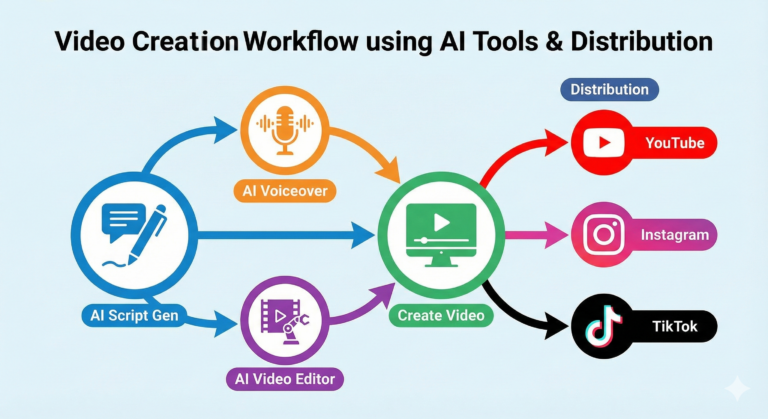
5, Export and publish to Instagram Reels, YouTube Shorts, or TikTok
Sample Prompt
Create a vertical social video from this image with smooth motion, subtle lighting shifts, and upbeat ambient audio designed for short form platforms.
This workflow turns one image into high impact motion content in minutes.
— Final Thoughts
The creative industry is entering a new phase where speed, adaptability, and intelligent systems matter more than ever. AI is no longer a novelty or a side experiment, it is becoming a dependable production engine that helps designers move ideas from concept to execution faster, smarter, and with greater consistency.
The real advantage is not simply using AI tools, it is learning how to integrate them into repeatable workflows that protect brand quality while accelerating output. When creativity is supported by automation, designers gain time to focus on strategy, storytelling, and meaningful client impact.
As tools like Veo, Nano Banana Pro, and agent driven workflows continue to mature, the opportunity for creators is enormous. Those who invest now in learning, testing, and refining their AI processes will build stronger creative businesses, deliver higher value services, and stay ahead in an increasingly competitive market.
The future belongs to designers who combine human imagination with intelligent systems, creating work that is not only beautiful, but scalable, sustainable, and built for growth.
Now is the moment to experiment with purpose, build smarter workflows, and lead confidently into the next generation of creative innovation